Tuesday, April 30, 2013

Motorcycle deaths rise again; helmet law repeals blamed

Paul A. Eisenstein , The Detroit Bureau – 18 hrs.

Motorcycle deaths rose 9 percent last year, according to new data from the Governors Highway Safety Administration – marking the 14th time out of the last 15 years that there has been a rise in fatalities.

All told, about 5,000 Americans were killed in motorcycle crashes in last year, more than triple from 1997, even though overall traffic fatalities have dropped by nearly a quarter during the same time period.

"This is a bad situation that is getting worse," said Jonathan Adkins, GHSA's deputy executive director.

Adkins is one of many pointing the finger at the ongoing, state-by-state repeal of helmet laws. In Michigan, a state police report found that motorcycle deaths surged 18 percent during 2012 – the year lawmakers repealed the state’s helmet requirement. By comparison, overall traffic deaths increased a more modest 5.3 percent.

The number of Michigan riders killed without a helmet went from five in 2011 to 55 last year, according to the police report, while a study by the University of Michigan indicated 26 of those riders would likely have survived had they been wearing helmets.

National Highway Traffic Safety Administration Direction David Strickland has warned that “every state” that has repealed its helmet laws has seen a sharp increase in fatalities. The agency reported that in 2008, 822 riders would have survived had they worn helmets – while also estimated another 1,829 motorcyclists survived crashes by wearing helmets.

NHTSA estimates motorcyclists are 37 times more likely to die in a crash than a person riding in a passenger car. It also claims helmets are as much as 41 percent effective in preventing motorcycle crash fatalities.

The advocacy group, ABATE, has tried to counter such arguments by claiming the 2012 surge in fatalities was due to warmer-than-normal weather that had motorcyclists out on the roads earlier and longer. That does not, however, explain why fatalities have risen during 14 of the past 15 years.

Proponents of helmet law repeal have also noted an increase in the number of licensed riders, as well as those riding without a license – or training.

ABATE and other groups have taken advantage of the rising number of Republican-controlled and conservative legislatures to reduce the number of states maintaining helmet laws from 26 in 1997 to just 19 today.

Experts warn motorcyclists to wear helmets even where not required by law. They also note that drinking and riding is particularly risky, 42 percent of all motorcyclists killed in crashes had a blood alcohol level of over 0.08 percent -- which would qualify as DUI in most of the country.

Meanwhile, motorcycle manufacturers are being encouraged to add new safety features. According to Consumer Reports, bikes equipped with anti-lock brake technology have a 37 percent lower chance of being involved in a fatal crash.

Copyright © 2009-2013, The Detroit Bureau

Monday, April 29, 2013

Hybrid sales increase, but some eco-drivers are disappointed

Paul A. Eisenstein , The Detroit Bureau – 4 days

Demand for hybrid and battery-operated cars may be increasing – the Toyota Prius accounted for 3.1 percent of the total U.S. new car market last year – but that doesn’t mean car buyers are trading in their eco-cars for another “green” model.

According to industry reports, only about one in three hybrid owners buy another gas-electric model when they trade in.

Not that demand for eco-cars has waned: Green car buying set an all-time record in 2012. Sales of the ever-popular Toyota Prius increased 49 percent year-over-year from the 2.2 percent market share in 2011.

But demand continues to lag proponents’ expectations. It appears all but certain that the Obama administration’s goal of having one million plug-ins or BEVs on the road by the end of 2014 won’t happen. Pricing and range limitations remain critical factors.

One reason appears to be the ongoing gap between the mileage that manufacturers claim and reality on the road. That has led the EPA – which oversees fuel economy testing – to revise its ratings process several times over the past decade. Further revisions are now under discussion.

The hybrid car owner falls into a specific category of buyer, Experian Automotive research has found – beyond just their eco-sensibilities.

According to Experian, the typical hybrid buyer’s loan came in at $25,807, compared to $26,691 for the average new auto loan last year. They also scored an interest rate of just 3.51 percent, compared with 4.36 percent for the average American auto buyer.

“Hybrid vehicle owners have long been perceived as environmentally-conscience consumers,” said Melinda Zabritski, Experian’s director of automotive credit. “While they may have made the vehicle purchase due to caring for the environment, our research shows that hybrid owners are economically minded as well. Hybrid owners tend to have outstanding credit histories, which also has enabled them to obtain financing at lower rates than typical consumers.”

The 10 most popular hybrids – at least those financed rather than purchased outright:

1. Toyota Prius -- 37.2 percent

2. Toyota Camry -- 8.9 percent

3. Toyota Prius V -- 8.6 percent

4. Toyota Prius C -- 8.1 percent

5. Chevrolet Volt -- 6.3 percent

6. Hyundai Sonata -- 4.8 percent

7. Lexus CT 200h -- 4.2 percent

8. Kia Optima -- 2.7 percent

9. Nissan Leaf -- 2.7 percent

10. Lexus RX 450h -- 2.3 percent

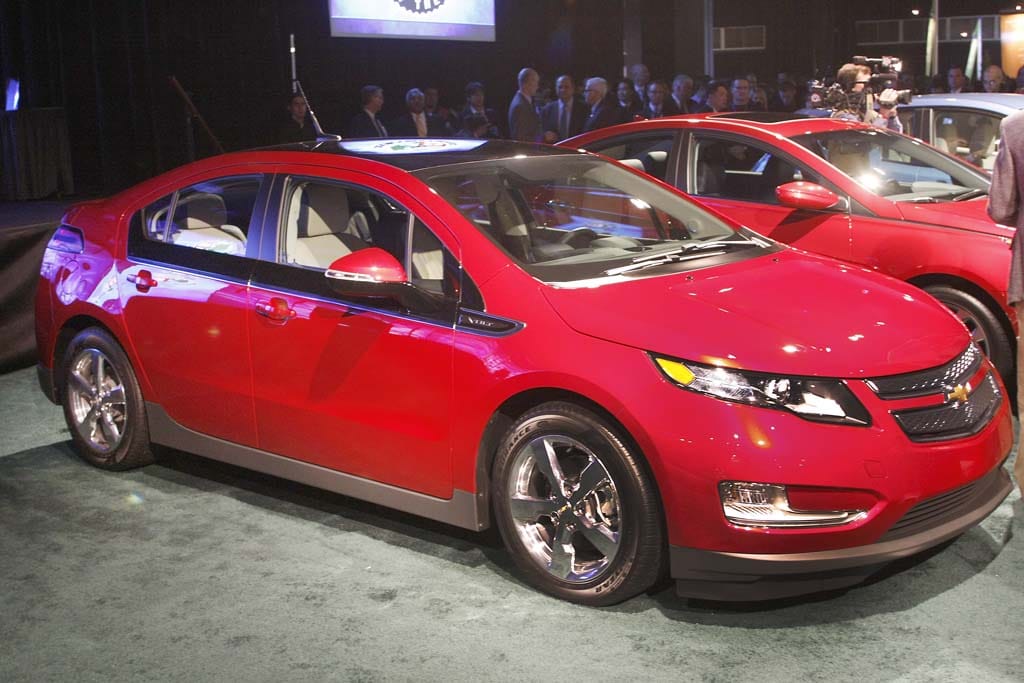
What’s significant about the 2012 Top 10 chart is that it includes two advanced battery models for the first time, the fifth place Chevrolet Volt plug-in hybrid and the battery-electric Nissan Leaf, in ninth.

Analysts expect that demand for all forms of battery-based vehicles will continue to grow in the coming years, if for no other reason than the steady increase in available products.

Most major manufacturers now offer several conventional hybrids and by the end of next year almost all plan to have plug-ins and pure battery-electric vehicles, or BEVs, in their showrooms, as well – though some may be limited to select markets, such as California.

Copyright © 2009-2013, The Detroit Bureau

Sunday, April 28, 2013

China auto market balloons; pollution could choke growth

Ford and General Motors are reviving two familiar nameplates at the Shanghai Auto Show this week in a bid to make inroads in China, where the auto market could soon eclipse the U.S. and European markets combined.

The Ford Escort and Buick Riviera remain concept vehicles for now, but both offer hints of what the two U.S. manufacturers may have in store for Chinese consumers. Once a backwater event, the Shanghai gathering is now one of the world’s most significant car shows, with dozens of new vehicles debuting there this year.

Senior General Motors officials forecast that sales in China could top 35 million annually by 2022. That’s more than double the peak of the American market nearly a decade ago.

“No market is more critical than the China market for us,” Tim Lee, president of General Motors’ International Operations, told reporters.

You may hear the same thing from other manufacturers, whether Volkswagen, Toyota or Ford. And they’re backing that up by using the Shanghai Auto Show to reveal some of their latest products. Among the new models debuting in China’s second-largest city this week are:

· The Buick Riviera Concept, a futuristic show car that “offers a preview of Buick's future design language," suggested Shanghai GM President Ye Yongming;

· The Ford Escort, a lower-priced take on the popular Ford Mondeo, known to Americans as the Fusion. A production version would target first-time family buyers in smaller cities;

· The Volkswagen iBeetle, which boasts an iPhone docking station and app that serves as entertainment system and allows you to monitor oil levels;

· The Acura Concept SUV-X, which will likely reappear as a compact entry-luxury crossover.

The Acura is just one of an assortment of high-line models on display in Shanghai. China, the largest outlet for several luxury brands, is expected to overtake the U.S. market before decade’s end to become the world’s largest luxury car market.

Mercedes-Benz headed to Shanghai with its GLA concept, while BMW presented its X4 coupe-crossover. Maserati showed off its sporty Ghibli sedan.

Porsche debuted the Panamera S E-Hybrid, its first plug-in hybrid – a nod to China’s focus on battery power.

“The Chinese could create the inflection point that transforms the battery car into a viable reality,” David Cole, chairman-emeritus of the Center for Automotive Research, recently told TheDetroitBureau.com.

Chinese bureaucrats have increased incentives for buying qualified electric vehicles – sometimes to more than $20,000.

At issue is pollution and congestion in major Chinese cities – wild cards that could short-circuit China’s automotive market. In a recent report, Jun Ma, chief Chinese economist for Deutsche Bank, warned that the government could take measures, including “constraining auto ownership growth.”

Some fear Beijing could limit auto sales or even force a shift to electric power. Critics counter that with electric cars could worsen the country’s environmental problems because of China’s electricity is generated by coal.

Some makers are doing better than others. General Motors, long locked in a battle for market dominance with Volkswagen, was up nearly 10 percent during the first quarter, setting an all-time record.

Toyota is barely achieving half that growth after a 4.9 percent increase in 2012. Japanese marques, in general, continue to suffer as the result of an ongoing dispute over a chain of uninhabited islands claimed by both Japan and China.

While luxury cars clearly have a market in China, many industry analysts stress that the real growth in years ahead will come from first-time buyers in second, third and fourth-tier cities just beginning to feel the benefits of the Chinese economic boom. With a population estimated around 1.5 billion, that could be enough to maintain the momentum of the last decade.

Copyright © 2009-2013, The Detroit Bureau

Saturday, April 27, 2013

America's top green car markets

America's top green car markets
Michael Strong , The Detroit Bureau – 3 days

One might associate green with lima beans, not Lima, Ohio, yet a new study finds that the small, Midwestern town ranks right up there with places like San Francisco, Portland and Washington, D.C. when it comes to shopping for cars.

A new study conducted by Cars.com lists Lima as eighth among the top 10 U.S. cities with the most environmentally conscious car shoppers. Less surprising is that San Francisco tops the chart, while eight of the 10 communities are out West.

The list, in order, includes:

San Francisco-Oakland-San Jose, Calif.Monterey-Salinas, Calif.San Diego, Calif.Portland, Ore.Eureka, Calif.Washington D.C.Honolulu, HawaiiLima, OhioMedford-Klamath Falls, Ore.Sacramento-Stockton-Modesto, Calif.

“It is not surprising that California and other West Coast cities top the list with some of the greenest car shoppers. That part of the country has long led the charge in the green movement,” said Joe Wiesenfelder, executive editor, Cars.com. “With abundant charging stations, special perks for eco-friendly drivers in some western cities and robust infrastructure, the West Coast is well equipped to cater to the needs of eco-conscious drivers.”

However, Lima, a city of about 38,000 people situated between Toledo and Dayton, making the list may not be as surprising as one might think, if one digs a little deeper. Joe Shaw, general sales manager at Lima Auto Mall, a General Motors dealership told the Toledo Blade that it sells a lot of Chevy Volts.

“We do a lot of Volts, both pre-owned and new, ” he said. “We’re awaiting the Cadillac ELR, and that’s going to be a great car. It’s gorgeous. It’s absolutely gorgeous.”

Shaw told the newspaper that many of the Volt sales are to out-of-towners through their certified pre-owned program. The town is located on I-75, which makes traveling to the city easy. He also noted there are plenty of local residents interested in hybrid and green technology, including the Chevy Malibu Eco a “mild hybrid” using a 15-horsepower electric motor to assist the traditional gas engine.

“We have a lot of people asking about it. You’ve got a strong educational community, you’ve got a strong engineering community here,” Shaw said. “They’re concerned about green initiatives. You’ve got Rhodes State, OSU-Lima, University of Northwestern Ohio.”

The University of Northwestern Ohio boasts an alternate fuels technology curriculum. The school is one of the original six founding members of the National Alternate Fuels Training Consortium. The program focuses on hands-on training in M85 and E85, electric, propane, compressed natural gas, ethanol, biodiesel and hydrogen vehicles.

Copyright © 2009-2013, The Detroit Bureau

Friday, April 26, 2013

Car loans stretch out and buyers costs more 8 years

Car loans stretch out and buyers costs more 8 years
LM Otero / AP

Meredith Havens looking Volkswagen on February 22, 2013, at a dealership in Richardson, Texas. In the fourth quarter of 2012, the average new car loan was 65 months.

By Kraut white tree, today registered users
Car loans have become longer.

Six and seven-year loans are an increasingly popular choice - and some lenders are even routes you these payments for eight years. These long-term loans allow the buyer to buy the vehicle, what you want to with the monthly payments that they afford can. But it also means that they are more numbers as a whole.

The average new car loan was 65 months according to Experian information solutions in the fourth quarter of 2012. This is a new record.
"Is it getting ridiculous,", said Anthony Giorgianni, Associate Finance editor for consumer reports financial advisor. "With a long-term loan numbers you more interest than you pay the loan way over a long period." And term loans tend to have higher interest rates."

Consumer reports money lab ran the numbers on the purchase of a new car, the cost of $30.520, assuming a deposit of 10 per cent. They used CapitalOne.com loans starting in mid-October 2012.
With a 48-month loan, the rate had 3.39 percent and the monthly payment $659. The longer 72 months loan would to a higher interest rate-3, 99 percent but the monthly payment would be just $462 significantly lower.

Consider the total cost: borrow $34.702 for the shorter loan, $36.339 for longer. This is a difference of $1.637.
Jack Gillis, author of the car-book-2013, advises buyers to look at the big picture, not just the monthly payment.

"A car a bad investment, so you want to reduce the cost of ownership as far as possible," Gillis said. "The best way to do this is to get a loan, as you can possibly afford as behind a term. As I see it, is not longer than 48 months loans."
Dealers and lenders do not discuss with math, but they say that more loans to serve their customers better.

"The more options people have on their credit card transaction to restructure, the better it is for them", said Bill Himpler, executive Vice President of the American Association for financial services, the Trade Association for the consumer credit industry.
Low down payments, also you can damage
Interest rates on new car loans were incredibly low for several years, and led the lower down payments.

The experts at Edmunds believe 20 percent is the sweet spot for a down payment, but most car buyers are nowhere. After its analysis of new and used car buying, the average deposit was 2011 11 percent in the year.
"The faster the better it is for you, you pay off the car", said Ronald Montoya with Edmunds.

This is because the cars very quickly lose value when they are new. With a small deposit, you will get not enough equity in the vehicle. In other words, you can debt is more about the car than it is worth.
"If something happens in the first year or two the car - it is in an accident or stolen - you can money from his own pocket for the lenders themselves debt something after you get the insurance payout."

This means that the head will be. The longer the loan should the upside-down period longer, especially if there is a low down payment. If you sell or want to exchange the car for some reason if you get still upside down, you not enough for your existing loan pay off.
The bottom line
The shorter the loan and the larger the down payment, the less cost you to own this vehicle. It reduces the risk that you'll lose money from early sale or Exchange, accident or theft.

Not on the monthly payment to fix; That's what the dealer wants to do. Check the total cost of the business during the term of the loan.
"Our rule of thumb: buy a car with a loan of a maximum of 48 months and the car to at least as long as it takes to keep that pay off a loan" Giorgianni said at consumer reports. "If you are going to get more than four years to make the payments, car lower cost where you need them, get a used car or you get to."

It is also important bought for the loan comparison shop, so how do you for the car.
"Before you walk into the dealership, make sure you know which prize you receive from your bank or Credit Union, so you know that the rate at which the trader is better" Gillis advised.

Thursday, April 25, 2013

Toyota over $500 million invested U.S. Lexus production started

Toyota over $500 million invested U.S. Lexus production started
Paul Eisenstein, TheDetroitBureau.com - 1 day

Toyota Motor Co. President Akio Toyoda has confirmed today that the manufacturer more than 500 million investing $ to move in his Georgetown (Kentucky) for the production of one of its Lexus luxury cars in the United States for the first time.

The recently updated Lexus sedan will start rolling off the line of manufacturer's Georgetown plant by 2015, said Toyoda, grandson of the founder of the automobile manufacturer. Movement, he was solid, reflects the fact that the United States the largest market for the luxury brand – while also bypassing the negative impact of the skewed exchange rates, more and more difficult to continue producing vehicles in Japan who made it.

"It is the first country, to build suitable outside Japan, the United States is the ES, because this is for the Lexus brand" Toyoda said a reference to the fact that the luxury brand, sold almost exclusively in the United States for many years, it has however an aggressive global rollout in recent years started.

While Toyota was slow to embrace the idea of relocation of production from the domestic market, it has become increasingly aggressive in expanding its global activities. It operates 14 assembly plants in North America, 10 of which in the United States, which together sold seven out of every 10 vehicles in the region under the Toyota badge produce Lexus Scion, Jim Lentz, called found recently President of the North American region, the highest rank possession per Executive American.

Along with the extension to the Georgetown Toyota invested $2 billion to increase North American capacity. And that includes additional production for 23 overseas markets targeted. Exports rose by 45% in the year 2012, Lentz, noted at a press conference in New York, "and we export more vehicles this year."

There are 11 vehicle, which assembles Toyota in the US based assets and the first for the luxury brand Lexus. Toyota is the last of the Japanese, the "big three" to move, even though it has produced the Lexus RX crossover in Canada at least some luxury car production in the States.

But as rivals Honda Motor Co. and Nissan Motor Co., it has already undermining production in the Japanese home market because of concerns about the exchange rate - as potential questions of the production by March 2011 Japanese earthquake and tsunami, all but the manufacturer operations for much of the subsequent nine months shut down.

The choice of Georgetown, the plant of the surprise was when one considers it is Toyota the first - and the largest in the States, produced the critical Camry sedan. With the planned expansion, the plant will boost the production of 50,000 units per year and total investment to over 6 billion $ to increase. Employment, meanwhile is expected to rise to 7.400.

"I feel like the State just the Kentucky Derby, won", said Governor Steve Beshear on the webcast from the plant.

Earlier this week, Kentucky officials a hint of what was to come, when the Kentucky confirmed millions in tax incentives economic development authority, that it would offer Toyota, with $146.5 for the Georgetown property and adding a new model to expand. Toyota, will again be required to invest $531 million and add 750 jobs.

In the two years since the devastating tsunami and earthquake of Japan has the pace, with the manufacturer, production capacity of the country have hollowed out car, quickly increases. There is some question whether manufacturers such as Toyota of this strategy rethink could the exchange rate penalty reduced as the yen has dramatically lost value in recent months.

Despite this change Nissan CEO said, however, Carlos Ghosn at the end last month, that he does not want to risk that the appreciation of the yen could back up to the point the way in which Japanese-made cars may be no longer competitive. Apparently in the same vein, Toyota is thinking.

The Japanese giant has been traditionally the reluctant relocation of production is positioned as defenders of the Japanese economy. But it has have been concerned increasingly about domestic market production, as well as the decision the Lexus it suggests moving in Kentucky that more moves are possible in particular, most industry analysts expect that the popular Toyota Prius finally somewhere in North America, as well as produced.

Even before the new movement has invested Toyota about 18 billion $ in various US operations, including assembly plants, design capabilities, research and development centers and test tracks. It is said to have 30,000 direct U.S. employees and 365,000 Americans indirectly to employ all in all.

Wednesday, April 24, 2013

Honda recalls that more than 200,000 vehicles for shift problem locking

Honda recalls that more than 200,000 vehicles for shift problem locking
Paul A. Eisenstein, the Detroit Bureau - 2 days

Already hammered by a series of recalls, so far more than 1 million have involved vehicles since the beginning of the year, Honda added another 200,000 sedans, crossovers and minivans to the list of the latest recall, the problems with the manufacturer-shift interlock system.

The new recall comes as a particular embarrassment of the manufacturer to put Luxury Division, implications for the recently launched Acura RDX, which was intended, a high-tech-Halo around the brand.

About 17,500 of the 2013 sedans from the recall, along with 128,000 Honda CR-VS and 59,000 Odyssey minivans, Acura RDX the latter two models fall while he sold model year 2012 and 2013.

Analysts say that the width of the callback reflects the fact that the automakers are trying today to share components from a variety of products to reduce costs. But the strategy can backfire, if a problem occurs.

In this case, Honda, means "be to comply with temperatures after the first use of the vehicle shift lever mechanism can move the vehicle transmission from the Park position to depressingly possible without the brake pedal."

The issue is particularly sensitive for Honda had to could the 870,000 "outliers" Odyssey vans December last year remember, because it is inadvertently moved without transfer to Park will be closed. 370,000 Honda cars recall previously involved in a similar two years.

This latest recall comes just a week after the Japanese manufacturer announced that it lead 470,000 older sedans, vans and crossovers due to faulty airbags, the misfire or even, remember that fire a vehicle would.

In this case was Honda of one of the four manufacturers with airbags, the supplied parts of the Japanese manufacturer TAKATA. Overall, more than 3 million vehicles are covered worldwide by this product recall.

Meanwhile, Honda announced another in January airbag-related could remember, do this one because of missing rivets, which provide safety equipment not properly in a crash.

Was known for its quality and reliability that Honda reminds one of the two top brands in terms of the number of vehicles in the US market for the last four years.

The Japanese manufacturer says it has received no complaints from customers, Word crashes or injuries related to the shift interlock problem. But the situation could cause problems if not corrected. It plans to inform the affected customers directly by mid-May and repairs free of charge.

Owners can find out even more, the manufacturer says, by "go online www.recalls.honda.com and www.recalls.acura.com or by calling (800) 999-1009 for Honda owners or (800) 382-2238 for Acura owner, option 4."

Copyright © 2009-2013, the Detroit Bureau

Tuesday, April 23, 2013

AAA: Cost of car ownership increases to $9,100 this year

AAA: Cost of car ownership increases to $9,100 this year
Paul A. Eisenstein , The Detroit Bureau – 4 days

A report by AAA suggests that we will spend an average $9,122 on our cars this year – an increase of nearly 2 percent over 2012, about the rate of inflation.

Costs vary widely, of course, depending on what and where you drive and the ups-and-downs of fuel prices. But the typical sedan owner who clocks 15,000 miles a year should budget 60.8 cents a mile, according to the latest annual “Your Driving Costs” study from AAA.

“Many factors go into the cost calculation of owning and operating a vehicle,” said John Nielsen, AAA Director of Automotive Engineering and Repair. “This year, changes in maintenance, fuel and insurance costs resulted in the increase” of about 1.17 cents a mile compared to the 2012 study.

Now in its 63rd year, the study did have some good news. After rising sharply in recent years due to increased raw material prices, the cost of replacement tires was unchanged from 2012 to 2013. Depreciation costs rose by just 0.78 percent. Considering the price for a new vehicle, that adds up to $3,571 for your average sedan.

As you’ve likely noticed, fuel costs have been leveling off and even dropping in recent weeks. The AAA study factors in steadily improving fuel economy and estimates 14.45 cents a mile in gas for your typical sedan. That’s a modest 1.93 percent increase over last year.

Insurance costs are expected to rise 2.76 percent, to an average $1,029 annually – although that can “vary widely vary widely by driver and driving record, issuing company and geographical region,” AAA says.

The biggest increase, according to the Your Driving Costs study: Maintenance and repairs, which are expected to jump by 11.26 percent from last year, to 4.97 cents a mile. Expect big increases in both parts and labor – and you’ll likely pay a lot more this year for extended warranty policies, as well.

What are you likely to spend to own and operate other types of vehicles?

· Small sedans will average 46.4 cents a mile, or $6,967 for all of 2013.

· Midsize sedans jump to 61.0 cents a mile, or $9,151.

· Large sedans will average 75.0 cents a mile, or $11,248.

· An all-wheel drive SUV will cost 77.3 cents a mile, or $11,599.

· Minivans will average 65.3 cents a mile, or $9,795.

The Detroit Bureau: Auto Maintenance Costs Take Big Jump

The AAA has been compiling its driving costs study since 1950 – when gasoline averaged 27 cents a gallon. That year, motorists drove 10,000 miles, on average, at 9 cents a mile – for an annual car ownership cost of $900, which may seem like a bargain, but that’s $8,468 adjusted for inflation.

Copyright © 2009-2013, The Detroit Bureau

Monday, April 22, 2013

Jaguar F-Type inspired by sleek, 1960s model

Jaguar F-Type inspired by sleek, 1960s model
Paul A. Eisenstein , The Detroit Bureau – 5 days

Few cars have had a more striking presence – or a longer-term impact – than the legendary Jaguar E-Type. When it first burst onto the automotive scene in 1961 it was hailed as one of the most beautiful cars of all time -- sleek, elegant and in sharp contrast to most of what was rolling off global assembly lines at the time, especially the lumbering finned behemoths from Detroit.

While the British maker has delivered a number of other well-received products during the half-century since, nothing has matched the power of the E-Type. Not until now, anyway. The new Jaguar F-Type that will start reaching U.S. showrooms in the weeks ahead is being hailed as its spiritual successor – in fact, the first true sports car bearing the “Leaper” logo since the original E-Type went out of production in 1974.

For Jaguar, it couldn’t have come along at a better time, admits global brand chief Adrian Hallmark, who suggests “Jaguar without a sports car is as incomplete as Ferrari without a sports car.”

Few manufacturers have had more of a roller-coaster ride than Jaguar since the marque was founded by Sir William Lyons in 1922. Despite its success on the race track and reputation for delivering sensual, elegant designs, it came perilously close to collapse, eventually being gathered up with much of the rest of the British auto industry and nationalized.

In 1989, Ford Motor Co. took control and invested billions to transform Jaguar into the heart of what became the Premier Automotive Group, or PAG, a collection of European – mostly British -- luxury brands that also included Land Rover, Aston Martin and Volvo.

Ford’s appetite for growth was big – perhaps too big. So while several new models, such as the redesigned XJ “saloon,” or sedan, flagship, won kudos, Jaguar also took heat for more flawed offerings like the X-Type. The little four-door was little more than a gussied-up version of a compact Ford offering – at a significantly higher price.

With demand lagging far behind expectations – and with the PAG’s chief sponsor Ford CEO Jacques Nasser, ousted in a boardroom coup -- Jaguar began to languish. By 2007, as new Chief Executive Alan Mulally came aboard, hoping to keep Ford from bankruptcy, it became clear that Jaguar had to go. But would it be tossed on the automotive trash heap along with so many other once-famous car brands or find a new, more dedicated buyer?

The empire struck back. Despite declining sales, Ford agreed to sell the once-proud symbol of U.K. manufacturing prowess to one of the most powerful conglomerates in the old British Commonwealth. Along with Land Rover, Jaguar was, in 2008, part of the ambitious, Indian-based Tata Motors, sold for about $3 billion, or less than half what Ford had paid for the original two.

There were plenty of skeptics who believed Tata had still overpaid. Jaguar continued a desperate slide, especially after the weak reception of the latest XJ.

Land Rover, on the other hand, has been delivering its strongest showing ever, thanks to the new Evoq and other offerings – the latest Range Rover remake already all but sold out. That has encouraged the Indian parent to loosen the purse strings for both makers, according to Ralf Speth, the German executive overseeing the joint JLR operations.

The latest updates from Jaguar have been more carefully targeted to the image one might expect of the luxury brand. They’ve recognized what brand boss Hallmark describes as the “three pillars” that Jaguar must rest upon:

- Innovative and “seductive” design that is “the most appealing” in any segment the maker competes;

- A truly connected feel between driver, car and the road;

- Serious power and performance.

Notably, Jaguar has recently doubled the number of its R-line high-performance models, such as the 550-horsepower XJR that debuted earlier this month at the New York International Auto Show and the “track-focused” $174,000 XKR-S GT -- of which just 30 will be made.

Jaguar has added a range of new powertrains, including a new V-6 line, and the all-wheel-drive offerings desperately needed in snowbelt states, such as the New York region, where luxury brands without all-wheel-drive have had little traction in recent years.

For the first quarter of 2013, the payoff has been a 34 percent jump in sales in the U.S., the British marque’s largest national market – albeit off some truly lamentable numbers last year.

Jaguar won’t say what their sales targets are for the new F-Type, though Speth and other officials insist they won’t need huge numbers to generate a profit. But while some black ink would be helpful, what the new sports car really has to do is to “give us that continuity, that recognition” that will put Jaguar back on the global luxury car map, contends Ian Callum, its chief designer.

There are, of course, a lot more offerings to compete with than back in the 1960s. But given the throngs of potential buyers who have been checking out the F-Type, whether online or on this year’s auto show circuit, the new sports car already appears to be doing that job.

Copyright © 2009-2013, The Detroit Bureau

Sunday, April 21, 2013

Tax season is boon to auto industry

Tax season is boon to auto industry
Paul A. Eisenstein , The Detroit Bureau – 6 days

This is the time of year when millions of Americans have been claiming tax refunds, which is good news for automakers and car dealers.

While there are no statistics that indicate precisely how many taxpayers take their refund checks over to the local showroom, industry experts say that’s helped fuel strong sales of both new and used vehicles in recent weeks, though the surge will likely soon wind down.

The year began a little more slowly than Ricky Beggs, senior editor of the used car-pricing guide The Black Book, had expected. It began to surge in March, which Beggs attributes to tax returns.

Beggs said that budget compromises between Congress and the White House and the sequestration that slashed federal spending likely pushed tax-refund-related car buying later than expected. He said the surge could run later into the spring than normal.

In 2012, the average tax refund was $2,803, and about three-quarters of American taxpayers received at least some money back. Those claiming refunds tend to file a bit earlier than those owing money, which may explain why the car-buying surge begins well ahead of the April 15 tax-filing deadline.

“Tax refunds typically help to boost sales at this time of year,” said Alec Gutierrez, senior analyst at Kelley Blue Book. “This year was no different as (U.S. car sales) sales hit the highest monthly total since August 2007 last month, thanks in part to tax refunds.”

Of course, there have been other factors nudging the market into higher gear. There’s a slow but ongoing economic recovery, and that has fueled so-called “pent-up demand” after half a decade of car sales running well below the anticipated trendline.

Meanwhile, the age of the average vehicle on U.S. roads has increased to a record 11 years. “So many people have to replace them,” Beggs said, because their older jalopies are simply no longer operational.

While even the richest Americans often qualify for tax refunds, those who use the money back specifically for a car purchase “tend to be entry-level buyers, rather than luxury buyers,” Beggs said. And they’re far more likely to buy used than new.

Their purchases tend to fall into three market niches: entry level models, entry-midsize vehicles and upper-midsize products.

Beggs said that some dealers he has visited in recent months plan their inventory around tax season and say they may see up to a 30 percent bump in sales after the Internal Revenue Service starts sending refunds.

Copyright © 2009-2013, The Detroit Bureau

Thursday, April 18, 2013

Ford focus is the world's best-selling car

Ford focus is the world's best-selling car
Paul A. Eisenstein, the Detroit Bureau - 4 days

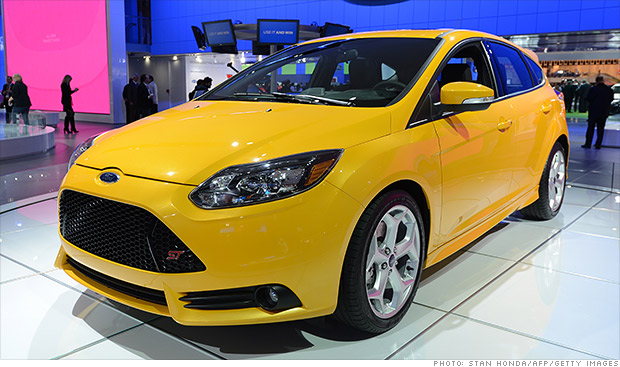
Ford apparently will increasingly pay the focus on global small car. Make that the Ford focus overall, was the world's best-selling car last year according to new data from r.l. Polk & company.

The Detroit, the compact model of the manufacturer's more than 1 million sales last year rang, took nearly 17 percent more volume than Toyota for its traditional sales leader, the compact model Corolla. Ford has also the other extreme, its full-size F series pickup, which list come together in the third quarter global sales get. All in all landed Ford three different models in the top 10, including the sixth Fiesta subcompact.

Toyota and Honda had two models in the diagram each Polk, while Volkswagen and General brand one had Motors Chevrolet each. But the top 10 list probably for most Westerners not recognizable containing a new name: China's Wuling Zhiguang the 768.870 revenue generated landing directly behind the F-series in fourth place.

"Focus and Fiesta are the culmination of our global product strategy by a Ford," said Jim Farley, Ford executive Vice President for global marketing, sales and service and the Director of the Lincoln brand.

During focus, a jump of 40 percent of demand in the United States saw last year Ford's focus helped late surge in China rise to the top of the sales charts last year with sales of 1.020.410. It was only on sale in the today's largest automotive market in the world in March 2012. However, that 300,000 of the Ford bought market compressed last year - where is it sold in both the current version and previous generation model known as the focus of "Classic".

I am looking forward to Ford's aggressive expansion plans in China, said Farley, "With additional production capacity added in the last year, we have an enormous opportunity now on our global small car sales in the year 2013, with sales off to a very strong start already strengthen."

Toyota's second place, with sales of 872.774, yet the power of its model corolla, especially since it's for a complete redesign this year underlines set. A prototype called the Furia was in January at the Detroit Auto show presented and Toyota officials recently indicated that the version prior to the Los Angeles Auto show will be introduced in autumn next year.

The fact the the Ford F-series only came third could surprise some Americans in the face of his continued strength in the United States, where it has for decades routinely heads the sales charts as the top-selling truck and overall best-selling vehicle. But the United States was responsible for the vast majority of full-size pickup volume of 785.630 in the past year.

A real outstanding sales is the F-series Polk top 10 chart for only classic truck on the list. In fact, the vast majority of the top-selling products minis and compact cars with the Toyota Camry seat are fifth the only medium-sized range.

What the Wuling Zhiguang is a pintsized people mover barely the size of some of the sedans and hatchbacks in the top 10 charts. Wuling is part of a joint venture between General Motors and its Chinese partner SAIC, based in Shanghai. '

Here is the full top 10 list:

Ford focus - 1.020, 410Toyota Corolla - 872, 774Ford F-series - 785, 630Wuling Zhiguang - 768, 870Toyota Camry - 729, 793Ford Fiesta - 723, 130VW Golf - 699, 148Chevrolet Cruze - 661, 325Honda civil - 651, 159Honda CR-V - 624.982
Copyright © 2009-2013, the Detroit Bureau

Wednesday, April 17, 2013

Toyota, Nissan, Honda, Mazda recall 3.4 million vehicles

Toyota, Nissan, Honda, Mazda recall 3.4 million vehicles
Michael strong, the Detroit Bureau - 2 days

Four Japanese automakers - Honda, Toyota, Nissan and Mazda - fire are recalled 3.4 million vehicles for faulty airbag systems, because she could catch or inflate accidentally injured passengers.

The danger of a global supply chain shows leave issues such as automakers are increasingly turning to a small number of suppliers for common or similar parts this product recall.

The recall is the largest ever for airbags made by TAKATA Corporation, the world's second largest supplier of air bags and seat belts. Due to a design in the propellant for the inflator, it can incorrectly blow airbag for the front passenger seat. As a result, the risk of fire from or passengers is injured. The faulty airbags were produced between 2000 and 2002 in TAKATA factory in Mexico.

The recall includes some of the top-selling Japanese cars, including Toyota Camry corolla, and Nissan Maxima and Honda Civic. All vehicles manufactured in or after the year 2000. In addition to Honda, Toyota, Mazda and Nissan, the supplier on the basis of Tokyo said it delivers even air bags and seat belts, the Daimler AG and Ford Motor Co. Some non-Japanese automakers also with faulty airbags were delivered during the decline of the auto manufacturer to call the company.

INFORMATION TO REMEMBER

The callback is called October Toyota in more than 7 million vehicles in the past the biggest. There is only one in a growing list of embarrassing recalls, the Japanese automaker, long known as a benchmark for quality, have spent in recent years. Toyota recalled in fact more individual than any manufacturer worldwide in three of the last four years issued.

Toyota is recalling approximately 1.73 million vehicles sold from November 2000 to March 2004 including 580,000 vehicles sold in North America and 490,000 vehicles in Europe. Honda is around 1.14 million vehicles to call back. Nissan about 480,000 vehicles will recall worldwide, although it said that the number of vehicles under recall could. Mazda said that it was reminded of 45,500 worldwide vehicles.

The Toyota models covered by the recall include corolla, Camry, tundra and Yaris. Nissan models include the Maxima and cube.

Honda has announced that more than 470,000 sedans, minivans and crossover utility vehicles, will remember it due to defective systems. The problem is associated to such incidents in the past in other vehicles, which had to remind the manufacturers for similar problems. In fact, Honda reminds 750,000 other vehicles due to airbag defects this year.

Airbag problems are a serious embarrassment for Honda - made more difficult the fact that the manufacturer is already on record last as one of the highest recall sums by any manufacturer in the United States in the years acted.

The latest US-Honda recall includes about 426,000 subcompact civic sold models in model years 2001 to 2003 43,000 CR-V crossover in 2002 and 2003, offered and another 92,000 of Odyssey minivans in 2002 model year.

"It is possible that the passenger who can front Airbag inflators in affected vehicles with too much pressure to guide that casing can provide to break inflator and could cause that the violation," the manufacturer confirms in a statement.

It added that it "deliberately" a crash, in which the front airbag deployed to enforce, but there were no injuries or deaths related to the issue in the models of the most recent recall was affected.

In January ordered the Japanese manufacturer of the recall of 748.000 pilot crossover and Odyssey minivans not properly deploy due to missing rivets, the airbags could cause in an accident. (This figure covered the U.S. market with an another 29,000 vehicles recalled in Canada.)

Has experienced reminded a number of earlier for other airbag problems, which have now added up to millions of vehicles.

Dealer handles the repairs without charge to owners.

Copyright © 2009-2013, the Detroit Bureau

Tuesday, April 16, 2013

Chrysler recalls 120,000 vehicles for airbag problems

Chrysler recalls 120,000 vehicles for airbag problems
Paul A. Eisenstein, the Detroit Bureau - 4 days

Chrysler is due to problems with the airbag warning lights that trigger without apparent reason, models recalled 120,000 of the full-size.

It is the latest in a series of industry-wide security-related issues in connection with faulty wiring, which increasingly reflect the complexity of today's high-tech cars. In some cases, the problems were a mere inconvenience, but in other cases, the problems can fire and intervention of braking systems, which leads without apparent reason, cause serious problems, such as vehicle trigger a potential loss of vehicle control.

The new Chrysler recall includes 119.500 his Chrysler 300 and Dodge Charger sedans and Dodge Challenger muscle Coupe. Must trigger the airbag warning lights apparently baseless and does not mean that she are disabled.

The manufacturer said it was advised of the problem but customer complaints, adding that there were no reports of injuries or accidents. It raises faulty wiring for the problem.

The recall extends between April to December 2011, some marketed as 2011 models, vehicles produced during the model year 2012

Owner of the problem starting this month will be notified and repairs be carried out free of charge. The manufacturer plans to reimburse owner previously used for warning light repairs have paid.

The 2013 version of the Dodge Challenger was subject to a separate wiring-related recall that less than a month ago announced. In this case, improper wiring can overheat and cause a fire. The producers went so far as to warn owners park their vehicles until repairs could be made.

At about the same time Honda announced a short circuit in a control unit stability to cause as many as 250,000 different vehicles, their brakes too short that could run without the involvement of the driver.

Meanwhile, shorting Toyota, began the year with a reminder at 752.000 vehicles, this could be the airbags on some models Corolla and Matrrix as well as inadvertently providing pre-tensioners by front seat could cause. The Japanese giant recalled several million products through a faulty drivers side window switch which can cause fires, the smoke or even vehicle last year.

Industry analysts note that today's cars of high-tech systems, the rival - and exceed in the rule - the complexity of the modern consumer electronic devices become. Where problems with a defective circuit board on a Smartphone or an audio system is a disadvantage or lead the customer the device to a memory swap out the major risks in the face of defective vehicle control loops is reminiscent to a steady increase in the related.

Apparently in contrast, problems with conventional mechanical defects, such as E.g. engine, on the decline according to a study by J.D. power and associates.

Copyright © 2009-2013, the Detroit Bureau

Monday, April 15, 2013

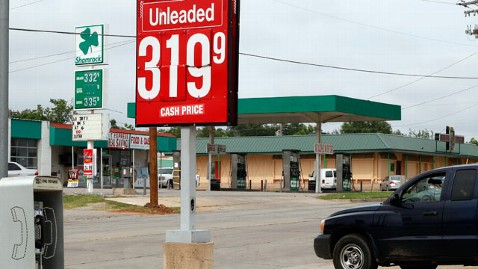
Gas prices fall to $ per gallon in some markets

Gas prices fall to $ per gallon in some markets
Paul A. Eisenstein, the Detroit Bureau - 5 days

If the wallet is still injured from the painfully high fuel prices is experiencing much of the country over the winter there is also good news the next time you head to the pump.

The average price for a gallon of unleaded gasoline regular has only $3.58, a three cent jump since late last week, dipped 15 cents from a month ago, and 36 cents from what the typical American motorists spent this time in 2012.

This is a sharp turnaround from February saw gas increase as some States too close or all-time records, especially along the West Coast.

Buyer to pay even an average $4,359 in Hawaii and $4,027 in Washington, D.C., but California is $4 $3,998, again under the brand, according to GasBuddy.com, a tracking service fuel price. And it is up to $3,286 in Montana - where motorists only $3,261 in Billings figures.

Some reports point out that the price is below the $3-brand in a few rocky mountain communities in the vicinity of large refineries declined. And GasBuddy is still "other markets" are you under this breakpoint diving in the coming days.

While crude oil prices some gains early Monday, trading, crude oil futures in decline for several weeks been in. An important reason, reports the Federal Energy Information Administration, that the country's reserves are now at a 22-year peak.

The United States were ramping up oil production for several years, quickly and should become actually a larger producer than Saudi Arabia and other OPEC suppliers by mid decade. You do not necessarily reflected in lower prices, as crude oil as a global commodity is traded. Despite concerns over Mideast instability--in particular the decline in production in the war-torn Syria - it seems but a good deal, if no oversupply of black gold will be available now worldwide.

According to Tom Kloza, Chief Analyst at the oil price information service, a sharp increase of fuel prices around the world would provoke probably only a large "disturbance in the Mideast".

This means that analysts warn that Americans do not become complacent. Further, try traders to push up the price of crude oil. And as US motorists were seeing regional tips are becoming more common. Follow the changeover from summer to winter can mixtures to reduce the regional air pollution problems fuel pump. Result can also be maintenance and other issues, such as those that large swaths of the Midwest and Pacific Coast last year affected.

Even in areas where prices are today top, the national hit parade numbers significantly down from last year's level - at the California at $4.28 per gallon, for example was.

Meanwhile, the sudden drop in gas prices can a shift in the U.S. market for new cars, fueling. Sales of pickups, in particular increased in March and car sold light trucks move overall, despite of the recent trends in the opposite direction.

Copyright © 2009-2013, the Detroit Bureau

Sunday, April 14, 2013

Stop, daydreaming and focus on driving!

Stop, daydreaming and focus on driving!
Paul A. Eisenstein, the Detroit Bureau - 5 days

Keep your mind on the road and your hands on the wheel. At least, that's the warning that we should take heart from a new study on the causes of many traffic deaths: daydreaming.

Apparently are you be five times more frequently involved in a fatal accident, because you "" were lost in thought as if you were distracted by the use of an electronic device, according to new research by the Erie Insurance Group.

"Were to interfere with the results," said Erie Senior Vice President Doug Smith.

The study focused on the 65,000 fatal accidents that have occurred in the United States 10 percent in the past two years as the result of some kind of distracted driving - in accordance with federal and other insurance industry estimates identified.

But what was the research next came as a huge surprise. It identified 62 percent of falls as a result of simply as "lost in thought." That could mean, failed on the back of another vehicle, rolling through a red light or another driver error recognize a dangerous curve in the road, running. In contrast, only 12 percent of fatal accidents were blamed, the collected data on some form of the use of mobile phones.

Other forms of distractions, which include:

««Rubbernecking, 7 percent;
Children or other passengers, 5 percent;
For an object elsewhere in the car, reach 2 per cent;
Eat or drink, 2 percent.

Contain other, lighter factors to achieve operating vehicle controls, such as the heating or the radio, and even an ashtray. Pets were also a problem for incidents that 1 percent of all deadly distracted driving blamed.

"Distracted driving any activity, which takes your eyes off the road, your hands off the wheel or your thoughts your primary task of driving is safe", Smith said. "We looked at what law enforcement officers across the country reported, if they filled reports of fatal crashes and the results were disturbing." "We hope that the data will encourage the people who avoid these risky behaviors that unnecessarily involved increase their risk of a fatal accident."

The study was released just in time for what the U.S. Department of transportation distracted driving national awareness month has declared.

The Detroit Bureau: Ford reveals secret concepts behind the next F-series pickup

While Erie could find many other distractions that can lead to fatal crashes, it continues to emphasize the need to pull a driver over to send texts, and avoid the use of mobile phones while driving.

Recent studies support the concern that this has become a serious problem. In November last year as TheDetroitBureau.com reported, a State Farm study found almost half of drivers under 29 while using the Internet at least once in the month behind the wheel.

Copyright © 2009-2013, the Detroit Bureau

Friday, April 12, 2013

Reborn Detroit electric charges in battery car market

Reborn Detroit electric charges in battery car market
Paul A. Eisenstein, the Detroit Bureau - 2 days

It was almost six decades since the last serious effort, a big new car engine to create City-based company, and almost three quarter of a century since the last manufacturers in Detroit in the logo use the lights switched off. This may explain why skeptics, the first press conference of the resurrected Detroit electric surfaced this week.

They found that the manufacturer that is still uncertain US battery car market targeted - and with the aim of to start, although they still do not have a factory production by late summer.

CEO Albert Lam arranged to admit that his new start-up still does not prove that it is more than a dream is a strategy, which create not only a new line of high-performance and long-range electric vehicles could very model of automobile production to define but also that.

"The difference between sanity and madness," which declared Hong Kong US American entrepreneur, "is the realization of a dream."

Even a few months before the introduction of the Detroit electric could come iffy considering the lacklustre performance of US-battery-car market in 2012. Entries, such as the Chevrolet Volt and the Nissan leaf, lagged well behind sales expectations. Start-up Tesla Motors ran 10 percent deeper in the red for the year than projected, Fisker Automotive has been running fast-based rivals while California cash and no resumption of the production of the first model, the karma, let alone a firm date for the introduction of the second row.

Fisker is a still financial basket case, furloughing to save money, its US staff for a week last month, but in recent days, there were positive signs for "electrified" vehicles. Tesla to beat its first quarter sales by almost 10 percent and report expected its first-ever profit in the January-March quarter.

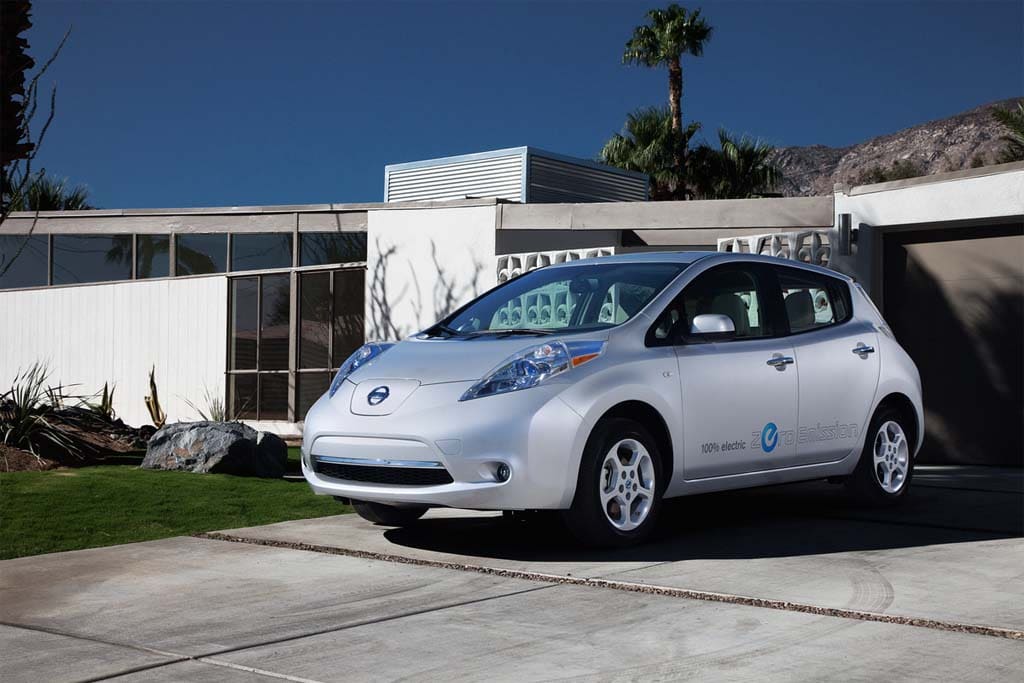
Among the established brands, Nissan has apparently scored a solid hit with a new, cheaper version of its leaf. 2,236 Cars sold in March exceeded the forecast by Nissan Motor Co. CEO Carlos Ghosn last week New York Auto show, where he estimated that supplies 1,900 close by would.

If there was disappointment on the emerging battery car market it at Chevrolet Volt to more than a third on 1478 was sales of plug ins, compared with the previous year dropped. For the first quarter, Volt 8.4 percent is 4.244, however. In other words, it remains on the Nissan leaf, a three-month counter for 3.539 and 2.353 sales for Toyota Prius Plug-in - generated if voltage is now second in the run-up to the market of the Tesla model S.

Ford, Toyota and Honda also a traction for their various hybrids, plug-in the and battery electric vehicles, or BEVs, last month, and analysts expect still more dynamic range than other brands give battery segment. Subaru unveiled just his first conventional hybrid at the NY auto show, where Audi announced, to make his first plug-in model in the States in 2014. And Porsche have two plug-in the the end of the year, including the relatively mainstream Panamera S E-hybrid and ultra exotic 918 supercar.

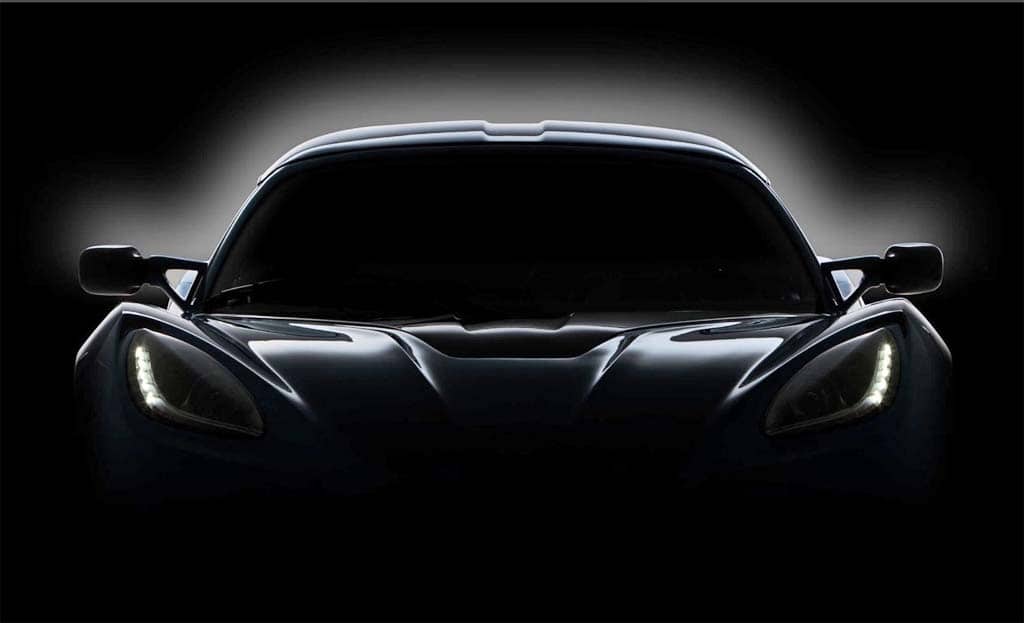
Like Tesla, the reborn Detroit electric focused battery electric power specially on starting with a low-volume, high-performance sports car. Called the SP: 01, it is based on a Lotus design and lightweight carbon fiber and aluminum bonded. His distinctive lithium-polymer batteries is 180 miles range Lam promised with a capacity of 0 to 60 by just 3.7 seconds and a top speed of 155 mph.

The SP: 01 is not exactly cheap at $135,000, but there is a Halo product, to put Detroit electric, Tesla developed some years earlier with its own Lotus Roadster on the map. The three are what is really important, Detroit electric models promised to soon follow, including mainstream sedan and hatchback offered targeted for end of 2014 - and bearing prices from around $32,000-$35,000.

As American Motors Corporation, which last serious attempt to create one based on the Detroit maker Lam and his team modest sales efforts - as well as a radically different business model have. In contrast to a conventional automobile manufacturers or even start-ups like Tesla and Fisker, Detroit electric plans to make minimum investments. It is a small factory in Detroit for the SP: 01 set up, but the future models will be largely on suppliers who already lot of overcapacity is swapped out.

""We would have to borrow $800 million probably"set up a conventional manufacturing process" proposed US Chief Don Graunstadt, adding, that "not enough sales exist (at least in the beginning), to support this kind of investment."

Executive/partners expect everything in all and a few "strategic investors" kick in to bring perhaps $50 million to $100 million, the realization of her dream.

"There is a little risk there, given the complexity of today's cars and comply with all rules, you have" Joe Phillippi, AutoTrends consulting shown a yellow card. "But the cost of your capital is minimal. It is now carefully take program management."

Lam, who once worked as a senior manager of Apple, was by the outsourcing approach, which significantly affected the consumer electronics giant. But it remains to be seen whether the strategy with a vehicle will work consisting of 15,000 or more parts.

Then again, if it's true, Detroit electric not only at a nascent market for battery power could connect but set a model that the rest of the industry cannot be ignored.

Copyright © 2009-2013, the Detroit Bureau

Thursday, April 11, 2013

Hyundai, KIA, referring to 1.9 million vehicles

Paul A. Eisenstein, the Detroit Bureau - 3 days

Korean Automakers Hyundai and Kia initiating one of its largest recalls – or more precisely said, today, 1.9 million vehicles announced three separate service actions sold in the U.S. market since end of 2006 include.

The majority of the involved vehicles were formerly reminds developed the same problem - electronic gremlins, a variety of systems, from affect stability control could brake lights, and even prevent the use of the stop button.

Now the small Japanese automaker Subaru is recalling 200,000 vehicles of its own due to brake line problems.

The major recalls of Hyundai and Kia present some serious headaches for the Korean manufacturer after repeated efforts to deal with electronic control questions. Much of the same technology under the skin of their cars work the two makers in the United States as separate companies but to share.

The biggest announcement, with 1.06 million Hyundai models follows an earlier 2009 recall and three separate service actions, the problems with taillight of assemblies. The 2007 20009 accent, 2007 to 2010 Elantra, 2010-2011 Genesis Coupe, 2007-2011 Santa Fe, 2011 Sonata, 2007 to 2009 Tucson and 2008 to 2009 Veracruz are insured.

According to Hyundai, the "condition could potentially intermittent push-button start feature, intermittent way to remove the vehicle gear from the Park position, lighting by" ESC "(Electronic Stability Control) indicator in the instrument cluster, intermittent interference with operation of the cruise control function or intermittent operation of the stop lamps."

Total 623.000 KIA models are affected by the same problem and are 2007 Sedona 2007-2010-Rondo 2011 Optima, 2007-2011 Sorento, 2010 and 2011 soul and the 2007 to 2010 Sportage.

A third goals remember Hyundai specifically potential airbag problems linked to 190,000 Elantra sedans sold model years 2011 to 2013-compact. The National Highway Traffic Safety Administration pressed the manufacturer to act after receiving complaints that even a support bracket in case of a crash can be moved, raises the side-impact airbags.

NHTSA was first notified of the problem if a passenger had serious injuries during a crash at her ear. Hyundai has found several vehicles, which apparently offered could experience the same type of problem, by installing a special auto-dimming mirror as an option in the US market.

Hyundai said that the problem can be easily fixed. "Industrial adhesive tape on the mounting bracket set curtain airbags prevent displacement mount coupled off during page."

Repairs for all new Hyundai and Kia are reminded owners free of charge made.

The three new recalls come only a few days after NHTSA announced that it would begin a formal investigation of reports of excessive corrosion, which may impact on the 400,000 older Hyundai Sonata models. The rust problem could lead to the failure of the rear suspension, the Agency noted.

Corrosion is made also responsible for the recall of 200,000 Subaru legacy and Outback models produced between December 2003 and April 2009 and sold in 20 cold weather States and the District of Columbia.

2005 To 2009 model years referred, could the legacy and Outback all-wheel drive vehicles break line occur cracks, the fluid leaks cause could be. That could in turn reduce brake functionality and cause a crash.

Subaru owners notify and repairs free of charge to undertake.

Copyright © 2009-2013, the Detroit Bureau

Wednesday, April 10, 2013

Subaru recalls 200,000 cars for braking issue

Subaru recalls 200,000 cars for braking issue
Reuters – 4 days

Subaru is recalling about 200,000 Legacy and Outback sedans and wagons from model years 2005-2009 to check for corroded brake lines.

Subaru said the vehicles were sold in 20 "salt belt" states, mainly in the Northeast and Midwest, and most were built at its U.S. assembly plant in Lafayette, Indiana.

An official recall notice released Tuesday by the National Highway Traffic Safety Administration said that "salt water could splash on the brake lines through a gap in the fuel tank protector, resulting in excessive corrosion of the brake lines."

NHTSA said corrosion could cause brake fluid leakage, which could result in longer vehicle stopping distances, increasing the risk of a crash.

Subaru on Tuesday said "no reports, accidents, injuries or incidents of failure have occurred." It said the problem was discovered by its Japanese parent during an internal testing program.

Subaru in its NHTSA recall filing said vehicle brake lines could be perforated after exposure to salt over seven or more winter seasons.

Owners can take their cars to Subaru dealers for a free inspection. Dealers will rustproof the affected area with anti-corrosion wax and, if necessary, replace the brake lines.

Copyright 2013 Thomson Reuters.

Tuesday, April 9, 2013

New Tesla loan program designed to assure skeptics

New Tesla loan program designed to assure skeptics
Paul A. Eisenstein , The Detroit Bureau – 4 days

Hoping to improve the affordability of the company’s new battery-electric vehicle while also addressing skeptics, Tesla has announced a “revolutionary” new financing program that is designed to cut costs while also giving customers an out if they’re not happy with their new Model S sedans.

Working with Bank of America, the program combines a low-interest rate, minimal down-payment – and the ability to return a Model S after three years and receive a guaranteed residual – essentially a trade-in price – pegged to the value of a Mercedes-Benz S-Class. But unlike a traditional car lease, Tesla buyers who like their vehicles will simply be able to keep them and pay off the rest of their loans.

The goal of the program was to “combine the best of ownership and leasing,” said Tesla founder and CEO Elon Musk during a conference call with reporters. “There has to be a better way,” he stressed, noting that he expects “a majority” of future Model S buyers will participate in the unusual loan program.

What may put the news into the “revolutionary” category was Musk’s declaration that “No matter what happens to Tesla … I will stand by the residual value if Tesla cannot with all the assets at my disposal.” Forbes magazine recently pegged the entrepreneur’s personal wealth at $11 billion – although Musk suggested that figure was “a little high.”

The finance program announcement came barely a day after Musk signaled that Tesla exceeded its sales goals during the first quarter of 2013, ending a string of losses with what is expected to be the California start-up’s first profit when it formally closes the books on the January – March quarter.

Musk also hinted that Tesla plans “a new announcement every week or two from here on out.”

The new finance program, which carries a 2.95-percent interest rate from Wells Fargo, will allow Model S buyers to apply the various federal, state and local tax credits they might qualify for. That could bring the monthly payment on a mid-range version of the Model S, around $70,000 with typical options, Musk estimated, to between $500 and $600 a month.

The cost of buying a battery vehicle, especially one with the size of the battery pack in a typical Tesla vehicle, is generally considered one of the biggest concerns among potential buyers and clearly an issue the program is aiming to resolve. Musk stressed that beyond the basic monthly loan, buyers should consider the lower cost of energy and maintenance when compared to a conventional gasoline-powered vehicle.

The Model S is a pricey vehicle, with a well-equipped, top-line model nudging over the $100,000 mark. In fact, buyers have almost exclusively been opting for the mid- and higher-range versions and on Monday, Tesla said it would stop production of a base model that was accounting for just 4 percent of initial demand.

Even with the new program, Musk admitted that, “I’d like to broaden the affordability of our products,” something he has said since founding the company. He almost apologized for starting out with a product like the Model S – but that is something most makers have had to do when entering the alternative propulsion world to help absorb the hefty cost of first-generation technology.

Longer-term, Musk suggested, “It will take at least three iterations,” or generations of products to bring costs down on battery power to something closer to conventional gas-powered vehicles.

Copyright © 2009-2013, The Detroit Bureau

Monday, April 8, 2013

U.S. auto sales on target for best rate in six years

U.S. auto sales on target for best rate in six years
Paul A. Eisenstein , The Detroit Bureau – 4 days

March U.S. auto sales surged to their highest level in more than five years – with several makers reporting all-time records for the month.

But the overall increase was smaller than the double-digit gains of recent months, raising concerns about whether the unexpectedly strong pace of the automotive recovery will continue – especially in the light of continuing concerns about the impact of Washington gridlock on the overall economy.

Analysts noted that sales incentives have been declining in recent months, even as average transaction prices – what motorists actually pay after adding options and subtracting discounts – has continued rising. On the other hand, pent-up demand appears to be just one of the positive factors likely to keep momentum going after the industry’s worst downturn since the Great Recession.

“The recovery in U.S. auto sales has continued to outpace the still modest pace of the economic recovery,” said Alec Gutierrez, senior analyst at Kelley Blue Book. “Consumers have been lured into showrooms by a fresh batch of redesigns such as the Ford Fusion, Honda Accord, and Cadillac ATS; as well as low-interest rates and affordable pricing.”

On average, reported Gutierrez, consumers paid “just shy of 94 percent of MSRP” for a new vehicle in March, an increase of a half percentage point over March 2012. Separate analysis by tracking firm TrueCar.com saw transaction prices rise to a near-record $31,087, a 1.5 percent increase year-over-year.

Honda led the March surge, its new Accord driving a 7.1 percent overall gain for the maker last month. The new sedan itself delivered a 36.4 percent sales bump.

General Motors came in just slightly behind, with a 6 percent year-over-year jump, the maker’s best March in five year, “thanks to a strengthening economy and new products, and we are expecting our third consecutive increase in market share versus last year ,” said Kurt McNeil, vice president of U.S. sales operations.

McNeil noted that while sales of smaller cars continue at a “robust” pace, “Trucks have improved in lockstep with the housing market.” That was also good news for Ford which reported a particularly strong month for its highly profitable F-Series pickup line-up.

Ford was also up a reported 6 percent for the month – and would have done even better were it not for the struggles of its Lincoln division. The luxury brand has suffered from an unexpectedly laborious ramp-up of production for its new MKZ sedan, a conscious choice by Ford aimed at heading off some of the quality problems suffered by other, more mainstream 2013 models. But with production now at “launch levels,” according to Lincoln brand chief Jim Farley, the luxury maker is expecting a better performance in April.

Chrysler is another maker riding the revival of the pickup market, the Ram Truck division gaining 24 percent in March on strong demand for the new Ram 1500 full-size truck. Chrysler saw gains of 5 percent overall and would have done better, officials stressed, if the Jeep brand – down 15 percent for March – wasn’t converting a key assembly plant to prepare for the launch of the critical new Jeep Cherokee.

Volkswagen, which has been on a roll with a mix of new products and the added availability offered by its still-new plant in Chattanooga, reported a 3.1 percent increase in March sales.

“While we are cautious in terms of economic outlook, we expect to see continued growth at a moderate pace in the months ahead,” said Jonathan Browning, President and CEO, Volkswagen Group of America, Inc.

Last month marketed Volkswagen’s best March in 40 years. And it was by no means alone. Sports car maker Porsche gained 41 percent and had not only its best-ever March but also its best first quarter ever in the U.S. market. Likewise Subaru, posting a 13 percent jump for the month and a 15 percent gain for the first three months of 2013.

Among other foreign makers, Nissan gained just 1 percent in March – but that was still enough to give the maker its best month ever in the U.S. market. Significantly, its new Altima model has begun to pick up traction after a slower-than-anticipated launch last year.

Equally important for the Japanese maker, its little battery-electric model, the Nissan Leaf, had its best-ever month, at 2,236 sales, thanks to the introduction of a new, lower-priced model being built at a new plant in Smyrna, Tennessee. That figure substantially exceeded the volume signaled by Nissan Motor Co. CEO Carlos Ghosn just last week.

The world’s best-selling automaker managed to maintain positive momentum for March, though Toyota reported a relatively modest 1 percent gain of its own. But that was enough to keep company executives pleased with the market’s pace of growth.

“A strong first-quarter close and increased consumer confidence continue to position the auto industry as a leader in the economic recovery,” said Bob Carter, senior vice president of automotive operations, Toyota Motor Sales, USA, Inc.

It was hard to find many losers last month – but Hyundai did report a 2 percent drop while sibling Korean carmaker Kia was off 14.6 percent. Both makers have been struggling with production capacity issues.

What’s behind the strong sales surge is a matter of debate, though a variety of factors appear to be at work – and the impact of Washington’s so-called sequester appears to have little impact on rising consumer sentiment. There is little doubt, analysts and industry planners agree, that the market is still benefiting from strong pent-up demand after years of unusually low sales. The first big flood of tax refunds may also have added to the market momentum. Meanwhile, automotive credit has not only become more widely available to sub-prime buyers but interest rates remain at or near historic lows.

That may help offset the decline in incentives offered by most makers. On the whole, they declined by 1.7 percent from March 2012, to $2,523 per vehicle. Honda cut its incentives by 31 percent, to $1,531. Hyundai and sibling Kia were among the few makers to increase incentives – by 10.6 percent, to an average $1,369, still the industry’s lowest.

Meanwhile, Average Transaction Prices – what consumers actually spend after factoring in both options and incentives on top of sticker prices – climbed to $31,087, approaching an industry record and an increase of 1.1 percent since March 2012.

Copyright © 2009-2013, The Detroit Bureau

Sunday, April 7, 2013

Chrysler posts best monthly sales since December 2007

Chrysler posts best monthly sales since December 2007
Paul A. Eisenstein , The Detroit Bureau – 4 days

March U.S. auto sales surged to their highest level in more than five years – with several makers reporting all-time records for the month.

But the overall increase was smaller than the double-digit gains of recent months, raising concerns about whether the unexpectedly strong pace of the automotive recovery will continue – especially in the light of continuing concerns about the impact of Washington gridlock on the overall economy.

Analysts noted that sales incentives have been declining in recent months, even as average transaction prices – what motorists actually pay after adding options and subtracting discounts – has continued rising. On the other hand, pent-up demand appears to be just one of the positive factors likely to keep momentum going after the industry’s worst downturn since the Great Recession.

“The recovery in U.S. auto sales has continued to outpace the still modest pace of the economic recovery,” said Alec Gutierrez, senior analyst at Kelley Blue Book. “Consumers have been lured into showrooms by a fresh batch of redesigns such as the Ford Fusion, Honda Accord, and Cadillac ATS; as well as low-interest rates and affordable pricing.”

On average, reported Gutierrez, consumers paid “just shy of 94 percent of MSRP” for a new vehicle in March, an increase of a half percentage point over March 2012. Separate analysis by tracking firm TrueCar.com saw transaction prices rise to a near-record $31,087, a 1.5 percent increase year-over-year.

Honda led the March surge, its new Accord driving a 7.1 percent overall gain for the maker last month. The new sedan itself delivered a 36.4 percent sales bump.

General Motors came in just slightly behind, with a 6 percent year-over-year jump, the maker’s best March in five year, “thanks to a strengthening economy and new products, and we are expecting our third consecutive increase in market share versus last year ,” said Kurt McNeil, vice president of U.S. sales operations.

McNeil noted that while sales of smaller cars continue at a “robust” pace, “Trucks have improved in lockstep with the housing market.” That was also good news for Ford which reported a particularly strong month for its highly profitable F-Series pickup line-up.

Ford was also up a reported 6 percent for the month – and would have done even better were it not for the struggles of its Lincoln division. The luxury brand has suffered from an unexpectedly laborious ramp-up of production for its new MKZ sedan, a conscious choice by Ford aimed at heading off some of the quality problems suffered by other, more mainstream 2013 models. But with production now at “launch levels,” according to Lincoln brand chief Jim Farley, the luxury maker is expecting a better performance in April.

Chrysler is another maker riding the revival of the pickup market, the Ram Truck division gaining 24 percent in March on strong demand for the new Ram 1500 full-size truck. Chrysler saw gains of 5 percent overall and would have done better, officials stressed, if the Jeep brand – down 15 percent for March – wasn’t converting a key assembly plant to prepare for the launch of the critical new Jeep Cherokee.

Volkswagen, which has been on a roll with a mix of new products and the added availability offered by its still-new plant in Chattanooga, reported a 3.1 percent increase in March sales.

“While we are cautious in terms of economic outlook, we expect to see continued growth at a moderate pace in the months ahead,” said Jonathan Browning, President and CEO, Volkswagen Group of America, Inc.

Last month marketed Volkswagen’s best March in 40 years. And it was by no means alone. Sports car maker Porsche gained 41 percent and had not only its best-ever March but also its best first quarter ever in the U.S. market. Likewise Subaru, posting a 13 percent jump for the month and a 15 percent gain for the first three months of 2013.

Among other foreign makers, Nissan gained just 1 percent in March – but that was still enough to give the maker its best month ever in the U.S. market. Significantly, its new Altima model has begun to pick up traction after a slower-than-anticipated launch last year.

Equally important for the Japanese maker, its little battery-electric model, the Nissan Leaf, had its best-ever month, at 2,236 sales, thanks to the introduction of a new, lower-priced model being built at a new plant in Smyrna, Tennessee. That figure substantially exceeded the volume signaled by Nissan Motor Co. CEO Carlos Ghosn just last week.

The world’s best-selling automaker managed to maintain positive momentum for March, though Toyota reported a relatively modest 1 percent gain of its own. But that was enough to keep company executives pleased with the market’s pace of growth.

“A strong first-quarter close and increased consumer confidence continue to position the auto industry as a leader in the economic recovery,” said Bob Carter, senior vice president of automotive operations, Toyota Motor Sales, USA, Inc.

It was hard to find many losers last month – but Hyundai did report a 2 percent drop while sibling Korean carmaker Kia was off 14.6 percent. Both makers have been struggling with production capacity issues.

What’s behind the strong sales surge is a matter of debate, though a variety of factors appear to be at work – and the impact of Washington’s so-called sequester appears to have little impact on rising consumer sentiment. There is little doubt, analysts and industry planners agree, that the market is still benefiting from strong pent-up demand after years of unusually low sales. The first big flood of tax refunds may also have added to the market momentum. Meanwhile, automotive credit has not only become more widely available to sub-prime buyers but interest rates remain at or near historic lows.

That may help offset the decline in incentives offered by most makers. On the whole, they declined by 1.7 percent from March 2012, to $2,523 per vehicle. Honda cut its incentives by 31 percent, to $1,531. Hyundai and sibling Kia were among the few makers to increase incentives – by 10.6 percent, to an average $1,369, still the industry’s lowest.

Meanwhile, Average Transaction Prices – what consumers actually spend after factoring in both options and incentives on top of sticker prices – climbed to $31,087, approaching an industry record and an increase of 1.1 percent since March 2012.

Copyright © 2009-2013, The Detroit Bureau

Tuesday, April 2, 2013

Feds to take on 'discriminatory' car loans

By Kraut white tree, today registered users
The consumer financial protection Bureau said lenders on Thursday car, that she would be responsible for "unlawful, discriminatory prices" by car dealers, the minority customers millions of dollars a year in higher interest costs.

"Consumers should not have to pay more for a car loan simply on the basis of their race", said the Director of the Agency, Richard Cordray, in a statement.

Here's how it works: a potential car buyer financed the vehicle from the dealer. The dealer sells the loan what is known as an indirect auto lender, which can be a Bank, Credit Union or finance company.

Before the dealer finance sets the price of the loan, he contacted the lender to see what interest rate she'll accept. The problem is that some lenders allow to increase the dealer at this rate and to keep some or all of this extra profit. This is called the "dealer markup", and the customer is never told.

"It is to know no way above, if the loan or is how strong and marked," said Chris Kukla, senior Vice President at the Center for responsible lending. "The recent actions have shown that borrowers were more likely to pay a premium for a color. "And if they did, she more than similarly situated white borrowers paid."

The NAACP is pleased that the Consumer Agency to deal with the problem is.

"Those who have the least, lose most of these nefarious practices, lose," said Dedrick Asante Mohammeds, senior director of the NAACP's economic programs.

The National Automobile Dealers Association and the National Association of minority automobile dealers said it is strongly against any form of discrimination, but they pointed out that a change in the way traders are compensated can drive the cost of credit.

"The dealer-assisted financing model (indirect auto loan) immensely successful in improving access to both reducing the cost of credit for millions of Americans was." Consumers overwhelmingly choose optional dealer-assisted financing, because it is more convenient and competitive, "she said in a statement.

Consumer advocates call a "widespread practice", which they have tried to stop since the mid-1990s this disparity of markup. The National Consumer Law Center (NCLC) sued various lenders to this practice.

"We showed in our processes, that the loans for African-Americans and Hispanics were more frequently referred to as the white and the premiums were higher than for white, even though they had equal to credit scores," said Attorney John Van Alyst NCLC.

For example, the NCLC was that an average dealer markup of $451 paid black car buyers in the Northeast, financed through a dealer with one of the big car company sponsor. That compared with only $183 for white customers with similar credit histories. (Read the entire report: racial differences in car loan)

The CFPB told indirect auto lenders to ensure that laws fair lending by paying a flat fee per transaction dealer markup prices are not at its discretion more respected.

Consumer groups agree that it time for the current system, hidden fees are set randomly disappear.

"Buying a car already is one of the most difficult and complicated buying decisions consumers make worse the purchase of discriminatory loan practices is reprehensible,", said Jack Gillis, Director of public affairs with the Consumer Federation of America and author of "The Car Book." "The tragedy is that many buyers probably do not know that they are being discriminated against."

The best defense is, shop around for financing outside of the dealer, so you know what is just in their finance offices, Gillis advised.

Monday, April 1, 2013

Automakers sound off about noise rules

Automakers sound off about noise rules
Paul A. Eisenstein, the Detroit Bureau 11 clock.

Whining has always been a noise, which have resisted by the world automakers in the years tangible proposals by Governments, civil society groups and consumer advocates, the cars make safe operation in congested environments.

So it is really no surprise automakers - including domestic, Asian and European companies, who generally agree with can't, pedestrian oncoming electric cars and other nearly silent vehicles complain on that blue color is all - Obama administration recommendation to alarm in unison.

The carmakers initially supported the idea but now claim of the National Highway Traffic Safety Administration proposed rules visually impaired warn using minimal noise level and are far too stressful pedestrians and other cyclists.

The rule "is too complicated and unnecessarily prescriptive. If proposed to implement it would lead, warning that louder than necessary, more than necessary, '' said creating drivers and passengers hassle and costs of the Alliance of automobile manufacturers and the Association of the global car manufacturers in common written comments to NHTSA.

Federal estimates fall will the odds on a hybrid vehicle in a pedestrian involved are 19% higher than with conventional gas - or diesel-powered vehicles. For a car-bicycle crashes, it is 38% higher.

The rules should complain gradually implemented from September 2014, but manufacturers also the timetable "is not possible", and they want to completely revise its proposal, NHTSA and publish before issuing a final regulation.

If the rules don't change, car manufacturers scrap to the stage and needed the new tones on all models as of 2018. (Some manufacturers already provide a noise-making feature, but mostly allow drivers to close the sounds, if you can find them unattractive)

NHTSA expects the proposal, approximately 23 million $ in the first year costs and estimates the more per vehicle costs $35. But automakers say that the cost of the components could be estimated five times as high as NHTSA. But still not the automakers appreciated, how much it could cost to their constant whining to replicate.

Yet automakers followed when communicating with the Government, that no cars can currently meet the requirements. Automakers are considering to make an adaptation of an existing alarm sound control module the necessary sounds. Automakers should the rules for speeds of 12.4 miles per hour or less shall apply while NHTSA proposed the rules apply to speeds up to 18.6 miles per hour. Automakers argue that warnings about 12.4 miles per hour is interfering with tire noise.

The sound should be audible sounds in a range of road and background, when the vehicle at low speeds on the road.

Want a new meeting with NHTSA talk car manufacturers about ways to the US regulations to harmonize with those in Japan and the European Union. The producers note that require continuous noise at low speeds or when stopped at a red light in conflict would stand with what Japan and the European Union plan. Regulators there have called this proposal "unacceptable due to noise pollution worry."

Copyright © 2009-2013, the Detroit Bureau